# The Digital Revolution Will Restructure the Securities Business Ecosystem, Securities Industry Leaders Gather to Discuss How to Adapt!
Currently, digital technology is penetrating all industries, and the financial industry—especially the securities industry—is inevitably being swept into the wave of digitalization. In this process, digital transformation has also become an inevitable trend for the upgrading and transformation of the securities industry. In addition to the impact of the digitalization wave, the financial industry's overall willingness to inject technology genes is gradually strengthening. Fintech, with Fintech as its core strategy, is also penetrating the securities industry and has become one of the effective ways to transform the traditional business and business models of securities firms and enhance institutional competitiveness.
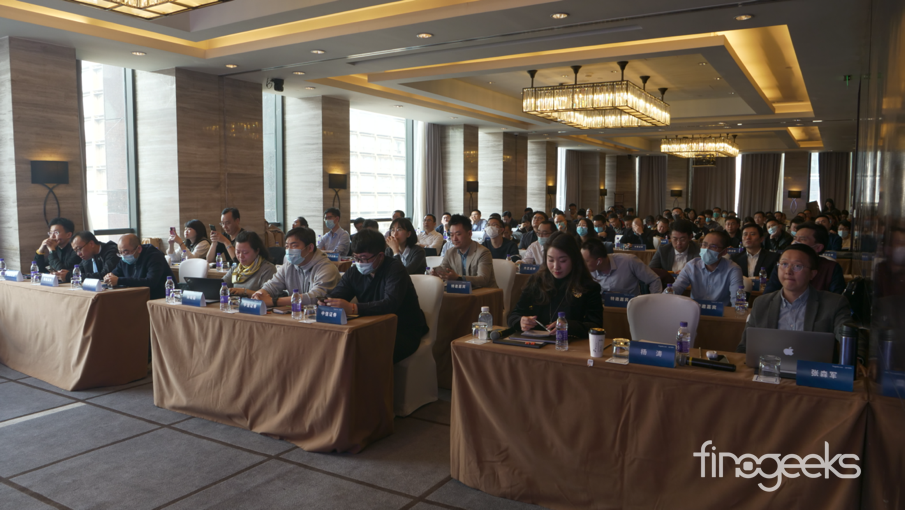
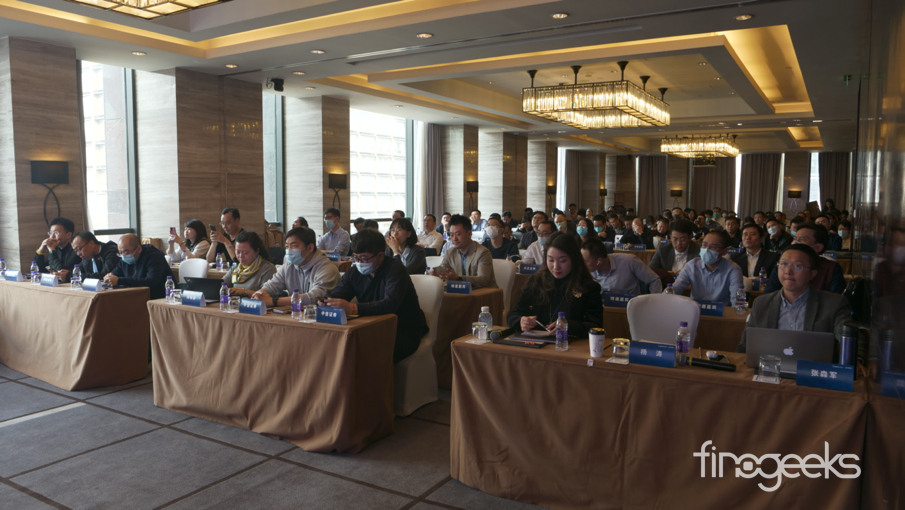
On March 25, the "Digital Securities Offline Private Sharing Session," jointly hosted by FinClip, CloudWalk Technology, and ZT Securities, was held in Beijing. Hundreds of securities industry leaders from CITIC Securities, Hengtai Securities, Galaxy Securities, Founder Securities, and others gathered together to discuss important topics for the industry as it enters a new era of digital wealth management, under the theme of "The Road to Digital Transformation of Securities."
At this meeting, FinClip pointed out that as the strategic carrier for transmitting retail business in the mobile Internet era, securities firms have all invested in independent APP research and development, with functional experiences changing rapidly. The IT construction and development of APP platforms also face many challenges: How to effectively improve rapid business delivery capabilities? How to achieve personalized wealth management needs for users with a thousand faces for a thousand people? How to quickly connect online and offline through innovation in technical architecture and R&D mechanisms?
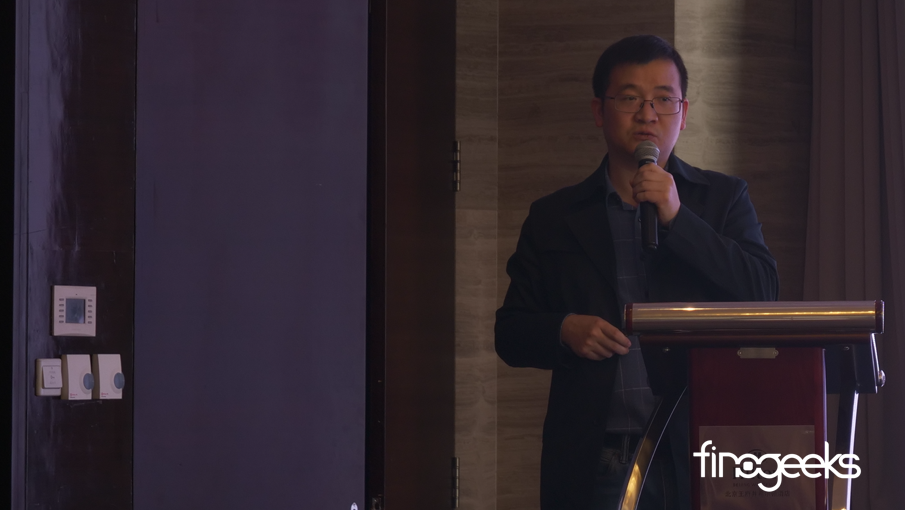
Yang Tao, co-founder of FinClip, stated: The securities business market changes quickly, placing high demands on the iteration speed and delivery capabilities of APP clients. As business increases, the number of APP functions and the amount of code are surging. If the traditional approach of sharing a single global codebase and relying on developers to manually merge code is still adopted, code complexity and merge time will rise exponentially, resulting in low efficiency and error-proneness.
Therefore, it is necessary to split the APP technical architecture so that each module has its own independently compilable project, thereby resolving conflicts in large-scale parallel development and improving R&D efficiency.
In addition, traditional APP updates generally rely on app markets, and due to the review mechanisms of some app markets, the latest business functions often cannot reach customers immediately, and bugs cannot be urgently fixed. For financial applications where new businesses and new changes emerge endlessly but security and controllability are always paramount, this is clearly unacceptable.
Therefore, based on the characteristics of financial Apps, we proposed the concept of "Host" + "Fragments," enabling most business functions of financial APPs to be implemented as "Mini-Programs," with completely independent lifecycles, developed, tested, and gray-released independently of the App. Moreover, Mini-Program development goes through IT internal testing, business department UAT, compliance review, and operations listing—the entire release process is fully digital and online. After release, gray control is still used to gradually roll out the business function Mini-Program to a limited population, all imperceptible on the App side. If there is a problem, it can be taken down instantly. Not only that, but partners' business functions can also be integrated into their own APPs in the form of Mini-Programs, enriching their business ecosystem, making agile iteration and continuous delivery no longer just slogans.
At the same time, to further strengthen and improve the management of off-site securities account opening, China Securities Depository and Clearing Corporation Limited issued the newly revised "Implementation Rules for Off-Site Securities Account Opening." Opening agencies are allowed to verify the authenticity of investors' identities and account opening intentions through one-way video over the network, and handle securities account opening procedures for investors. At this event, a senior solutions expert in the financial industry from CloudWalk Technology also shared "Standard Processes and Solutions for One-Way Video Account Opening for Securities Clients," answering questions for securities firms.
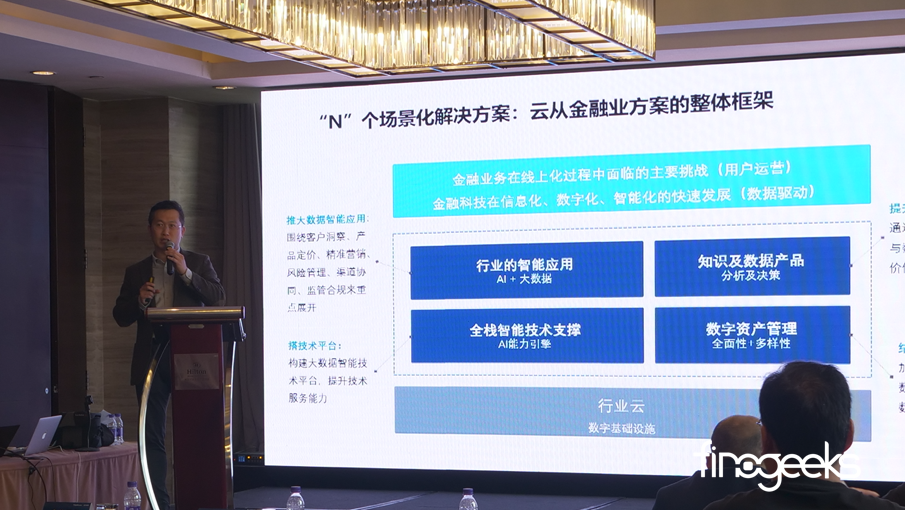
FinClip also invited CITIC Securities, ZT Securities, Mirong Information, and DeepQ Technology to share relevant topics on "The Road to Digital Transformation of Securities."
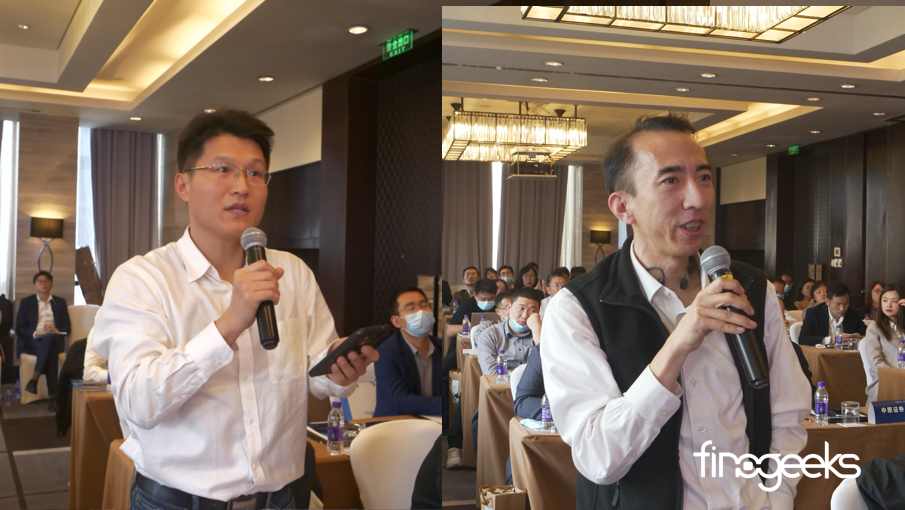
In addition, an exchange session was opened at the event site, where securities firms engaged in interactive discussions with the guests, addressing practical issues and pain points of concern to industry colleagues, and further helping everyone more thoroughly understand the details and goals of securities firms conducting compliant business on third-party traffic platforms.