# Digital Operations in Wealth Management Becomes the Theme, Internet Finance Giants Brainstorm to Find the Industry's Next Opportunity
Against the backdrop of fragmented and personalized financial demands and the generational shift of customer groups, securities firms are actively embracing the industry's wealth management transformation trend, relying on an "internal collaboration and external partnership" business model to build a co-constructed and shared digital wealth management ecosystem.
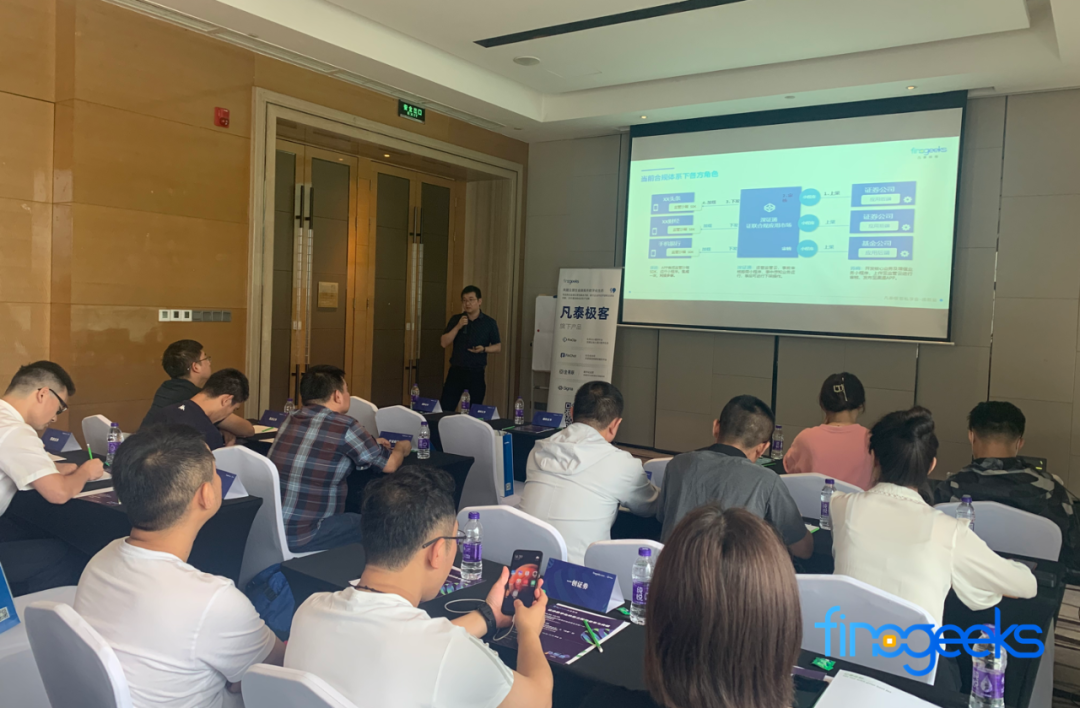
On May 22, the FinClip private seminar was successfully held in Chengdu, attracting leading figures from securities firms including Guosheng Securities, CICC Wealth Management, Huaxi Securities, and Xiangcai Securities to participate and share insights on topics such as how securities firms can build a digital wealth management ecosystem. At the same time, this private seminar placed greater emphasis on interactive exchange with securities firms, aiming to provide a platform for major securities firms to comprehensively showcase their APP operation concepts and innovation strategies.
Yang Tao, co-founder of FinClip, stated at the event: In the digital era, major changes have occurred in the customer entry points for wealth management. In the future, the channel entry points through which customers interact with securities firms will no longer be limited to physical branches—Bilibili, Douyin, Toutiao, various traffic platforms, or e-commerce platforms may all become customer entry points.
Secondly, customer relationships have also undergone major changes in the digital era. The relationship between customers and employees is no longer the traditional concept of dedicated investment advisors or dedicated account managers, but has extended more into socialized digital relationships. One-to-many, many-to-one, and fan communities have gradually become the norm in the relationship between customers and investment advisors.
To adapt to the changing trends in wealth management channels, FinClip recommends that securities firms build a unified digital wealth management channel, which can be approached from the following aspects:
First, leverage Mini-Program technology to build a wealth management channel ecosystem. Mini-Programs inherently possess characteristics such as use-and-go, cross-platform capability, and rich scenarios, making them highly suitable for building a securities firm's wealth management channel ecosystem. Securities firms can leverage Mini-Program technology to actively build or participate in ecosystems, collaborating with large financial institutions and internet ecosystem platforms related to "clothing, food, housing, and transportation" on a legal and compliant basis, jointly expanding wealth management application scenarios, continuously extending wealth management reach, and expanding the scope of wealth management.
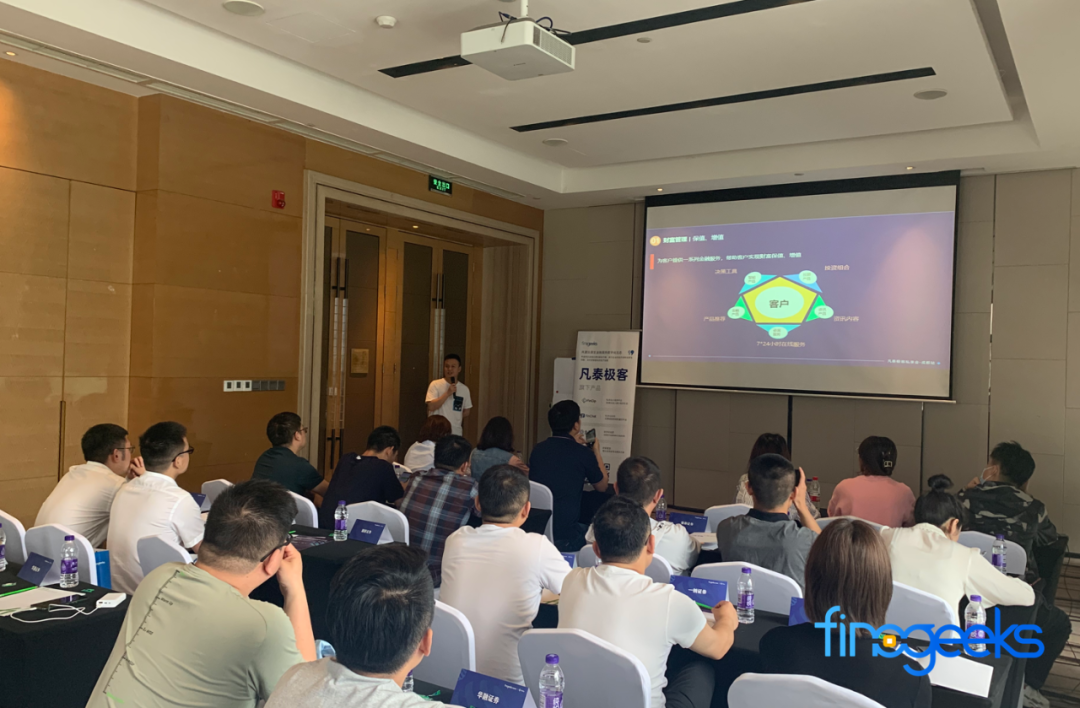
Second, build a social collaborative digital network to create digital wealth management relationships. Building a securities firm's own social collaborative network can reshape socialized customer digital relationships, establish trust connections between investment advisors and customers, improve investment advisor collaborative work efficiency, reduce coordination and communication costs, enhance human-computer interaction experiences, break down boundaries between customers and employees, between employees, and between the company and the ecosystem, achieve many-to-many digital collaboration, and comprehensively improve the channel service efficiency of wealth management.
Third, advocate investment advisor self-operation and reshape wealth management incentive mechanisms. By changing the traditional task-based investment advisor marketing incentive mechanism and actively advocating the investment advisor self-operation model, building self-operation product systems such as investment advisor micro-official-websites and personal studios, and streamlining the incentive mechanisms for digital self-operation, the enthusiasm of investment advisors to self-operate their own brands can be greatly stimulated, enhancing the company's overall brand influence and market share in wealth management.
At the same time, Huaxi Securities delivered an excellent presentation on "Digital Wealth Management for Securities Firms," mentioning that "fragmentation" has now become a trend. First, in the mobile internet era, users' reading time and application usage time are highly fragmented. Correspondingly, the front-end user experience is also fragmented.
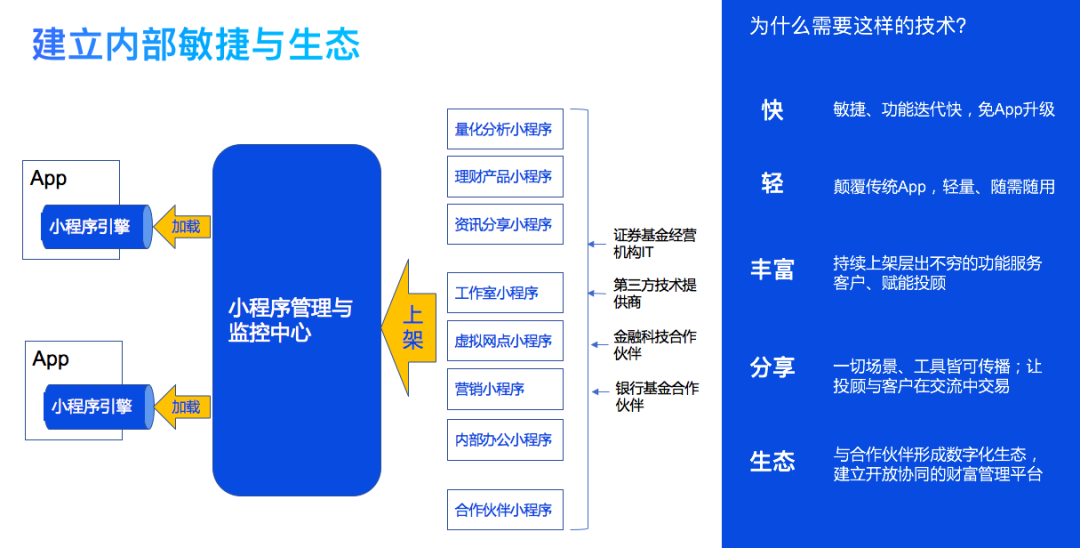
When securities firms make their Apps as stable as WeChat, and split out the business functions within the App into fragmented, single-responsibility, independently-lifecycled development and deployment using technology carriers similar to Mini-Programs, could the financial industry's unique contradiction of needing both stability and agile iteration be resolved? This degree of loose coupling allows business functions to be developed, tested, and published/unpublished independently of the App.
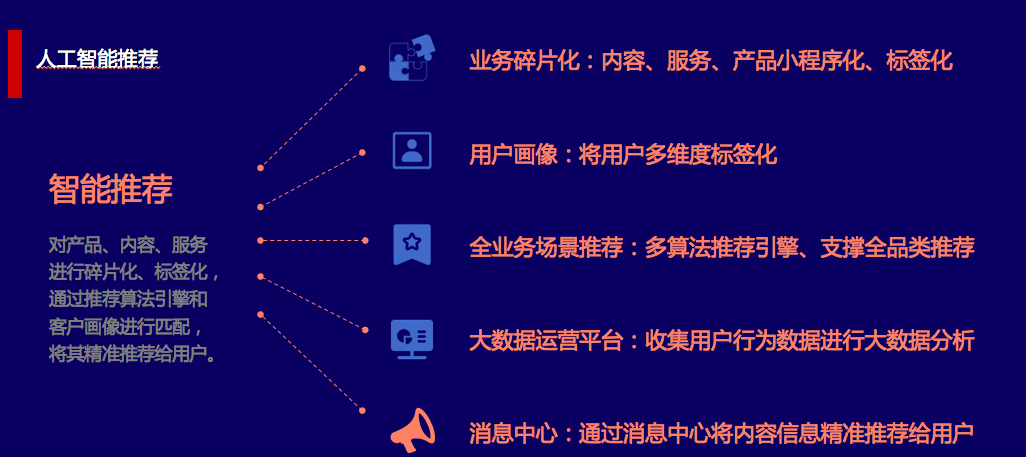
Secondly, the core of wealth management is to better understand customers and precisely provide reasonable and more personalized services. With the gray release capability of Mini-Programs, any Mini-Program on a securities firm's APP can dynamically control push rules based on user profiles and customer segmentation, providing customers with a service experience that combines warmth and quality.
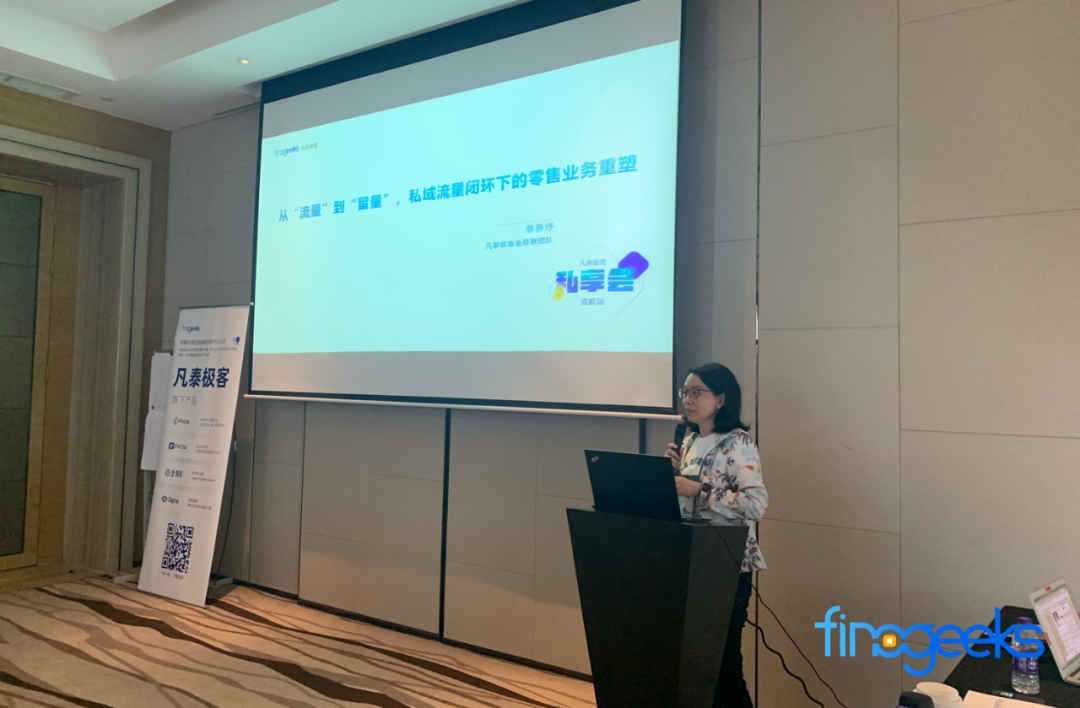
At the end of the event, Li Jingyu, Product Director of FinClip, shared insights on the new retail business of securities firms. She mentioned that with the development of mobile internet and social platforms, customers are spending increasingly longer time on social platforms such as WeChat and short video platforms, and the traffic ecosystem is continuously shifting. New traffic dominated by social traffic has become a new trend. For financial institutions such as securities firms, the main business development scenarios for marketing personnel have shifted from offline to online. Expanding business marketing channels, enhancing the digital marketing service capabilities of business personnel, and building sustainable convertible user assets have become an industry consensus in the financial sector.
Against this backdrop, securities firms can use "empowering investment advisors," "expanding service touchpoints," and "enhancing customer experience" as entry points for the digital transformation of business development. After the pandemic, financial market volatility has intensified, and customer loyalty has been further tested. High-quality customer experience is one of the core levers for major institutions to compete for customers. Facing the growing investment demands of massive customers and the mismatch in the supply of investment and wealth management services, securities firms that only provide intelligent tool suites without direct communication with real people lack trustworthiness for customers. Moreover, wealth management products are a category that requires extensive peripheral knowledge and has a long decision-making process. Such products typically require knowledgeable investment advisors to provide professional consultation to customers. Therefore, securities firms need to help customers find investment advisor experts online and empower every investment advisor to "go online" to provide services, enabling investment advisors to deliver "warm" accompanying services to every customer through a series of marketing activities such as real-time responses to customer questions, enhancing customer trust and platform stickiness.
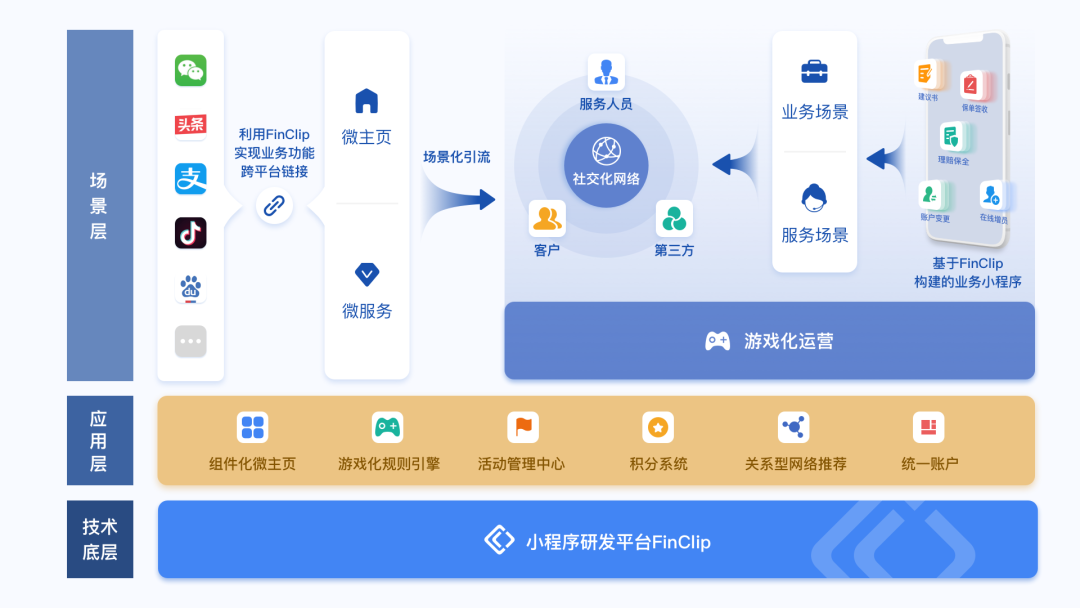
Institutional Digital Social Marketing Service Closed Loop Built on FinClip
FinClip's digital wealth management solution—FinKey—can help financial enterprises build a closed-loop marketing service across multiple scenarios, empowering frontline employees and investment advisors to develop business and acquire customers online. At the same time, FinKey, leveraging social scenarios such as WeChat, Toutiao, Baidu, and Douyin, enables employees to quickly share real-time information, popular products, online activities, investor education courses, and other content to traffic platforms, reaching potential customers in both public and private traffic domains.
Furthermore, FinKey, combined with FinClip's Mini-Program technology solution, transforms itself into an "App Store" for wealth management tools. Using the "FinClip Mini-Program Runtime SDK (Software Development Kit) technology," business Mini-Programs from any financial institution—such as asset analysis and marketing business development—can be listed here, helping marketing personnel gain insights into customer behavior data and uncover potential needs. On the other hand, through big data analysis, combined with customer assets, risk assessments, business qualifications, and investment preferences, differentiated service content such as information, wealth management, and services can be provided to customers, allowing customers to enjoy "everywhere" accompanying services while also having a "meticulous" caring experience.
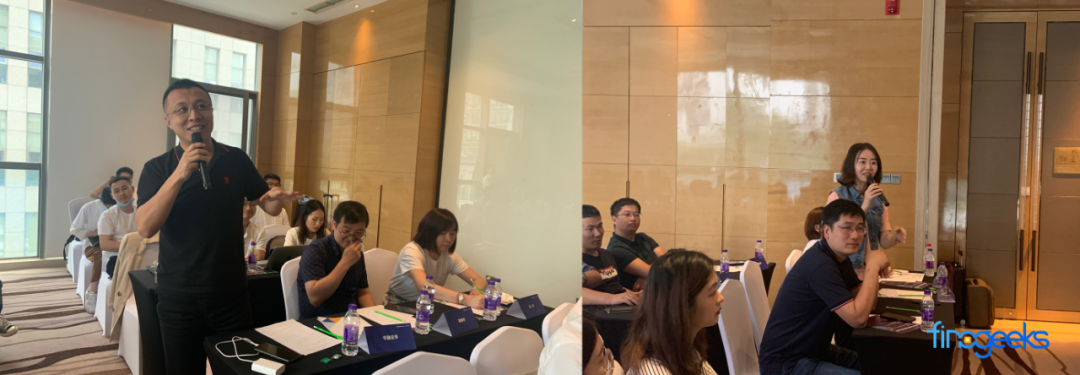
At the event, viewpoints collided intensely, and securities firms engaged in interactive discussions with guests, addressing practical issues and pain points of concern to industry peers, further helping everyone gain a more thorough understanding of how securities firms can build a digital wealth management ecosystem.
Overall, securities Apps have made significant progress in the past two years. Both their functionality and service capabilities are at the forefront of the financial sector, but there is still broad room for development and expansion. A large number of investor needs remain unmet, and new-generation securities Apps will inevitably develop toward intelligence, personalization, and scenario-based services.